Few things sour a neighborhood faster than dog waste left where it does not belong. In communities governed by a homeowners association, the issue goes beyond annoyance, it becomes a matter of rules, fines, and formal complaints. What might be a shrug in a rural area turns into a documented violation in an HOA, and the dog owner who ignores that reality can find themselves on the wrong end of enforcement.
Being a responsible dog owner in a managed community is partly about the cleanup itself and partly about understanding the social and regulatory environment you live in. This article covers the etiquette, the rules, and the practical habits that keep you in good standing with both your neighbors and your association.
Why HOAs Care So Much
Homeowners associations exist to protect shared standards and property values, and few things undermine both like a common area dotted with waste. Beyond the obvious unpleasantness, uncollected waste is a health hazard, a smell problem, and a source of the neighbor-versus-neighbor friction that HOAs are specifically designed to prevent. That is why pet-waste provisions appear in the governing documents of so many communities.
Understanding this motivation helps. The association is not being petty when it enforces cleanup rules, it is doing the job residents collectively asked it to do. Working with that rather than against it makes life easier for everyone.
Know Your Community’s Rules
The first practical step is reading your HOA’s covenants regarding pets. Most spell out where dogs may relieve themselves, that owners must pick up immediately, and what penalties apply for violations. Some communities require dogs to be leashed in common areas, prohibit relief on certain landscaping, or mandate the use of designated pet zones.
Ignorance of the rules is not a defense when a fine arrives. Skim the documents once, know the boundaries, and you avoid the accidental violations that cause most of the trouble. If anything is unclear, a quick email to the board settles it before it becomes an issue.
The Golden Rule of Common Areas
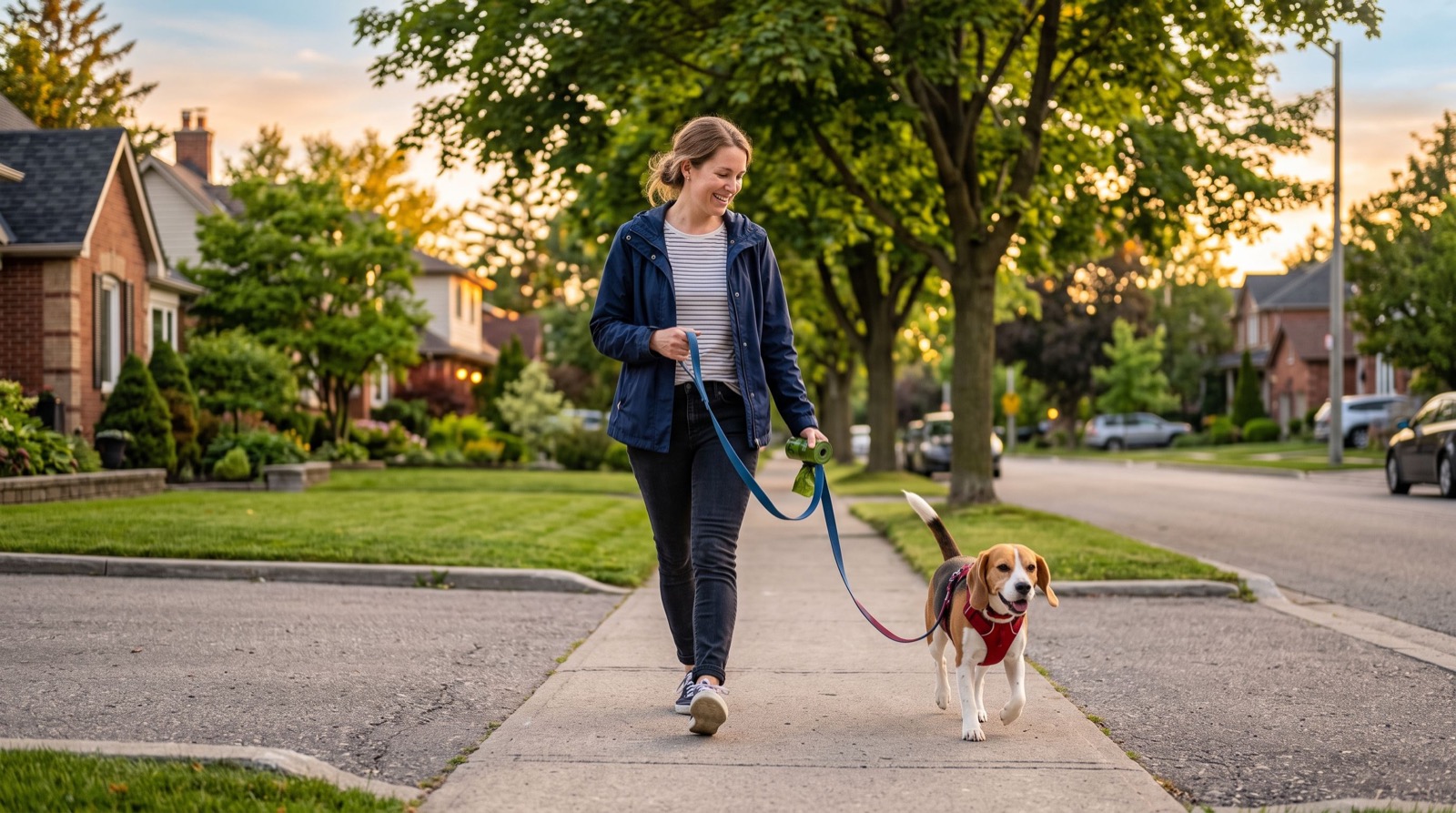
Shared green spaces belong to everyone, which means the standard there is higher than in your own fenced yard. Always pick up completely, always immediately, and never assume that because it is a big open lawn a single deposit will not matter. It matters to the next family that spreads a picnic blanket there and to the kids who play on it.
Carry more bags than you expect to need whenever you cross common areas. Running out is the most common excuse for leaving waste behind, and it is entirely preventable with a little preparation.
Tools That Support Good Etiquette
Consistency is easier with the right gear, and etiquette breaks down when cleanup is a hassle. A tool that combines pickup and containment in one motion is ideal for common-area use, because it lets you scoop and seal without fumbling or bare-handed contact. A Dog poop Scooper with Bag Attached is purpose-built for exactly this, turning a potentially awkward public moment into a clean, quick motion.
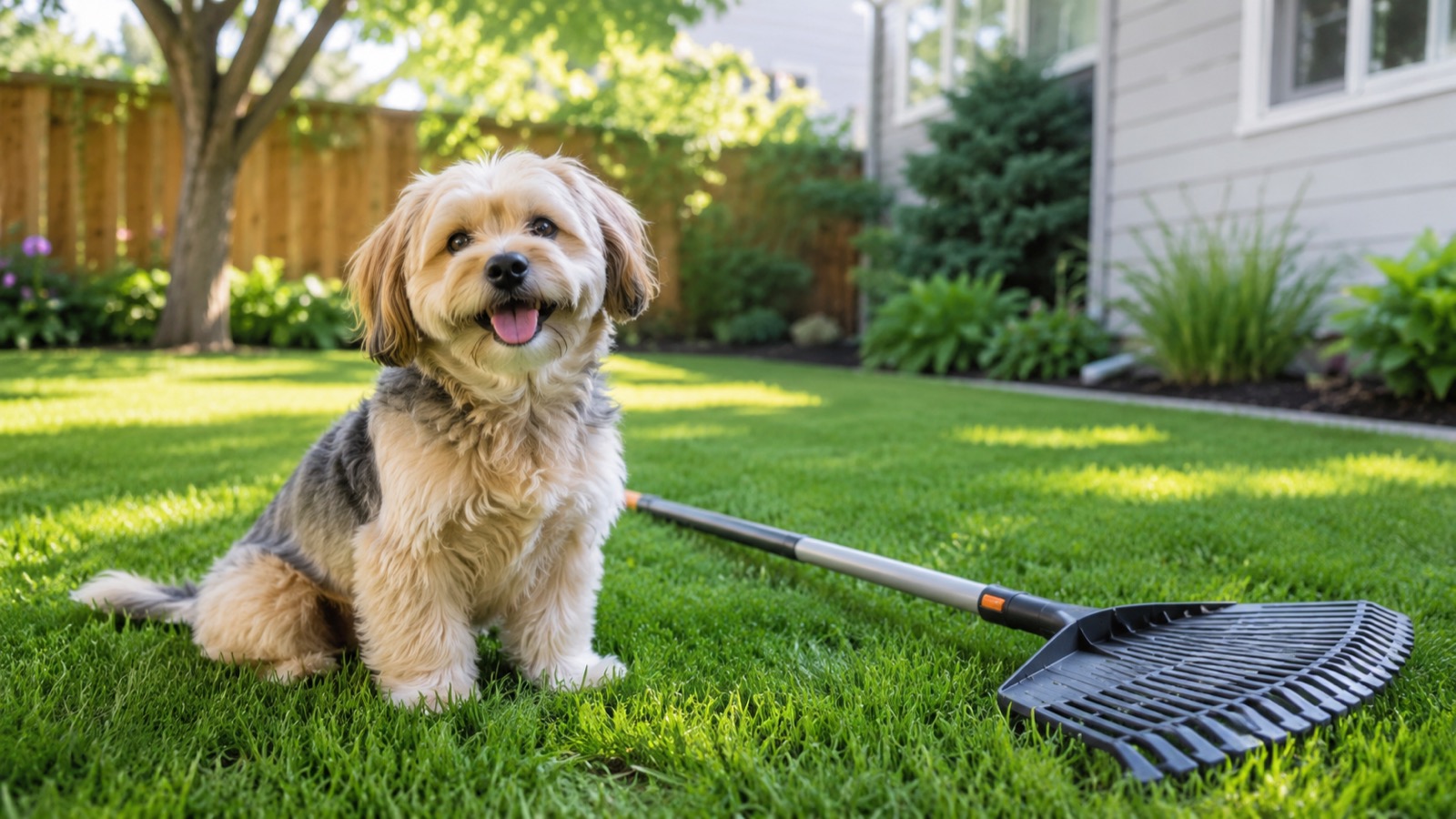
For your own front yard or patio, which the HOA can still inspect and cite, a reliable Pooper scooper keeps your visible property up to the community standard without daily hassle. Good tools make good etiquette effortless, and effortless is what turns a rule you resent into a habit you barely notice keeping.
Handling Neighbor Disputes
Waste is one of the most common triggers for neighbor conflict in managed communities. If someone else’s dog is the problem, the mature route is a polite direct conversation first, since many owners genuinely do not realize their dog slipped away or that they missed a spot. Escalating straight to the board tends to breed resentment.
If direct conversation fails or the situation is chronic, documenting it for the HOA is appropriate, that is what the enforcement mechanism is for. But leading with goodwill preserves the neighborly relationships that make community living pleasant in the first place.
Designated Pet Areas and Stations
Many well-run communities install pet-waste stations with bag dispensers and bins throughout common areas. Use them, and treat them well. Report empty dispensers or full bins to management promptly so the system keeps working for everyone. If your community lacks these amenities, proposing them to the board is a constructive way to improve compliance overall.
These stations dramatically raise cleanup rates because they remove the excuses. A community that invests in them is one that takes the issue seriously, and residents should meet that investment halfway by actually using them.
When the Community Needs More
Sometimes an HOA faces a persistent problem that individual diligence cannot solve, whether from unidentified repeat offenders or simply high pet density. In those cases, boards often contract cleanup and monitoring services for common areas. Bringing in reliable local experts to maintain shared spaces on a schedule keeps the whole community clean regardless of any one resident’s habits.
If you serve on a board or influence one, this is worth considering when reminders and fines are not enough. A modest shared cost often resolves what years of complaints could not.
Key Takeaways
- HOAs enforce pet-waste rules to protect health, property values, and neighbor relations.
- Read your community’s covenants so you avoid accidental violations and fines.
- Common areas demand immediate, complete cleanup and always carrying extra bags.
- All-in-one scoop-and-bag tools make public cleanup quick and hygienic.
- Address neighbor disputes politely first, and support pet-waste stations where they exist.
Good Standing Starts at the Curb
Living in an HOA community is a trade, some rules in exchange for shared standards and protected value. Dog waste sits right at the center of that trade, and handling it well is one of the simplest ways to be a respected neighbor rather than a cautionary tale. Know the rules, clean up completely and immediately, use the right tools, and lead with goodwill when conflicts arise. Do that and you keep your standing, your deposits, and your neighbors all exactly where you want them.
Ultimately, staying consistent is what separates a yard you enjoy from one you avoid. A few focused minutes with the right tools, repeated as a simple daily habit, keeps the space clean, protects your lawn and family, and removes the chore from your mental list entirely. Small, steady effort always beats an occasional overwhelming cleanup.