Chilled Storage in Saudi Arabia: A 2026 Guide for Perishables and Fashion Brands
Demand for reliable chilled storage in Saudi Arabia has never been higher. As the Kingdom’s population grows and e-commerce accelerates under Vision 2030, businesses that handle temperature-sensitive goods need warehousing they can trust. Whether you move fresh produce, pharmaceuticals, or delicate apparel, the right cold environment protects both your stock and your reputation.
This guide explains how modern temperature-controlled warehousing works, what it costs, and how fashion retailers increasingly rely on it. By the end, you will know exactly what to look for when choosing a storage partner in 2026.
Why Chilled Storage in Saudi Arabia Matters More Than Ever
The Kingdom’s climate is unforgiving. Summer temperatures in Riyadh, Jeddah, and Dammam regularly pass 45°C, and humidity along the coast adds extra stress. Goods left in ambient conditions degrade fast. A controlled, chilled environment keeps products stable from the moment they arrive until they ship.
Food security is a national priority. According to the Food and Agriculture Organization of the United Nations, cold-chain losses can reach a significant share of perishable volume when storage is weak. Strong refrigerated warehousing cuts that waste and supports local supply resilience.
Who needs temperature-controlled space?
- Food importers and distributors handling dairy, meat, and produce.
- Pharmaceutical and healthcare suppliers with strict compliance needs.
- Cosmetics and fragrance brands sensitive to heat damage.
- Fashion and apparel labels protecting fabrics, leather, and footwear.
How Chilled Storage Works: Zones and Temperatures
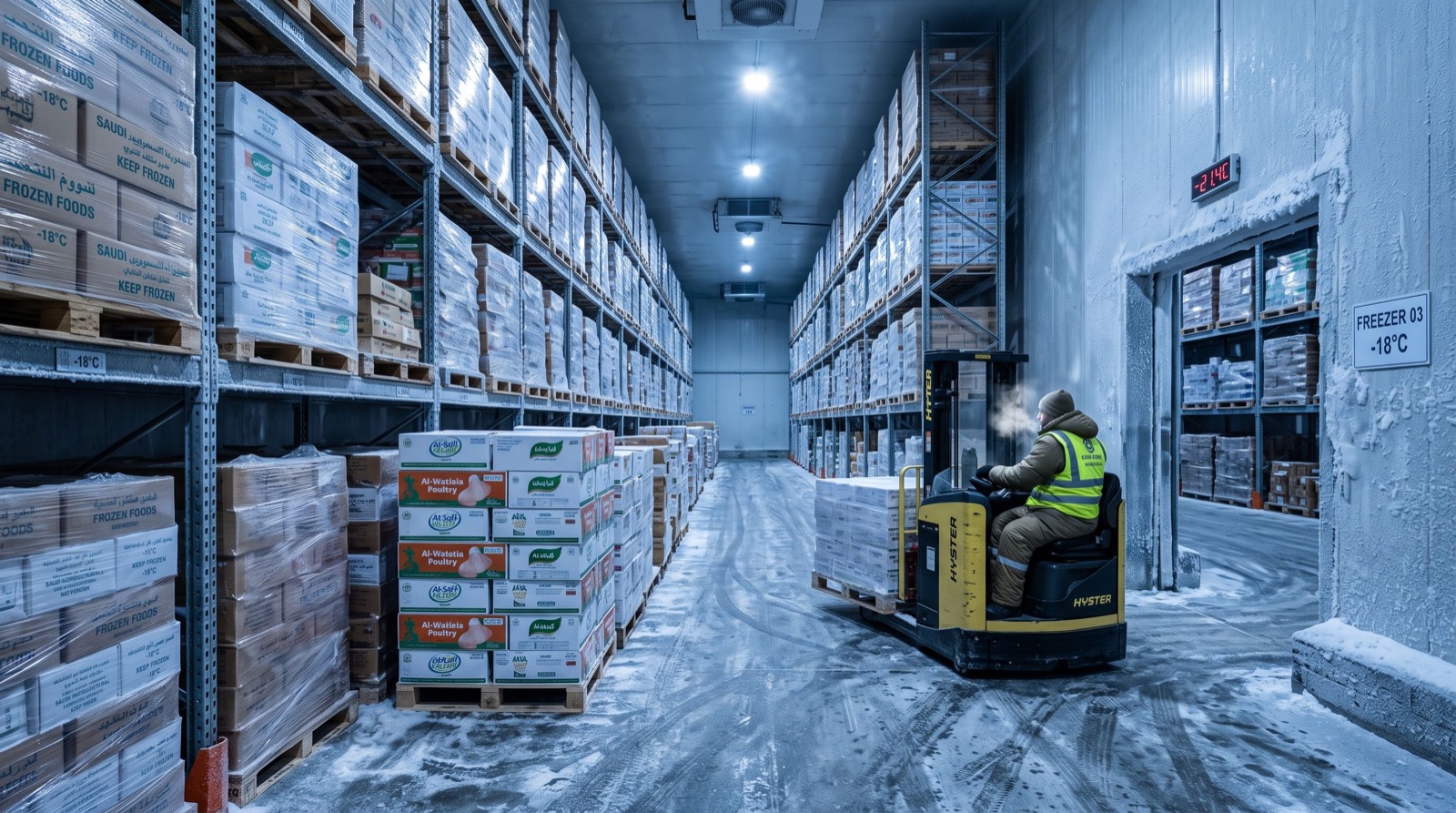
Not every product needs the same conditions. Professional facilities divide space into dedicated zones, each held at a precise range. This flexibility lets a single warehouse serve many industries at once.
| Storage Zone | Typical Range | Common Goods |
|---|---|---|
| Deep freeze | -25°C to -18°C | Frozen meat, seafood, ice cream |
| Chilled | 0°C to 5°C | Dairy, produce, fresh pharma |
| Cool | 8°C to 15°C | Chocolate, cosmetics, wine |
| Climate-controlled | 18°C to 22°C | Apparel, electronics, documents |
Reliable providers monitor each zone around the clock with digital sensors and backup power. If you want a facility built for this precision, explore professional Chilled Storage in Saudi Arabia designed for consistent, audited temperature control.
Chilled Storage for the Fashion Industry
Many retailers forget that clothing is temperature-sensitive too. Heat and humidity warp leather, fade dyes, and encourage mould on natural fibres. Premium handbags, silk, and footwear lose value quickly in a hot warehouse.
Climate-controlled warehousing keeps garments crisp and sellable through the long Gulf summer. Specialist Storage for the Fashion Industry adds garment rails, dust protection, and controlled humidity so collections arrive at stores looking brand-new.
Practical tip from the warehouse floor
Rotate stock by season, not just by arrival date. We have seen brands store next-season coats in climate rooms while current lines stay in faster-moving chilled bays. This cuts handling, protects fabric, and speeds replenishment when demand spikes.
What to Look for in a Storage Partner in 2026
Choosing a warehouse is a long-term decision. Use this checklist before you sign a contract.
- Redundant cooling: backup generators and dual refrigeration keep temperatures stable during outages.
- Real-time monitoring: you should see live temperature logs, not monthly summaries.
- Certified hygiene: HACCP-aligned cleaning and pest control for food-grade space.
- Flexible contracts: scalable pallet space that grows with your sales.
- Central location: proximity to ports, airports, and city distribution hubs.
Working with experienced, quality service providers also helps you promote your brand once your supply chain is secure. A stable back end frees you to focus on growth.
Cost factors to expect
Pricing usually depends on temperature range, pallet count, and value-added services like picking and packing. Deep-freeze space costs more than chilled because it draws more energy. Still, the price of spoilage almost always outweighs the price of proper storage.
Sustainability and the Cold Chain
Energy efficiency is now central to Saudi logistics. The Kingdom’s Vision 2030 program encourages greener infrastructure, and modern cold stores answer with high-efficiency compressors, LED lighting, and smart insulation. Lower energy use means lower running costs passed on to tenants.
Leading facilities also recover waste heat and use natural refrigerants with low global-warming potential. Choosing such a partner supports your own ESG reporting while keeping goods perfectly preserved.
Getting Started With a Chilled Storage Provider
Moving to professional cold storage does not have to be complex. Start with a clear inventory audit: list every product, its ideal temperature, and its turnover rate. This single document becomes the blueprint for the space you book.
Next, request a facility tour. Walk the loading docks, inspect the refrigeration units, and ask to see live temperature logs. A confident provider will show you everything, because transparency is proof of quality. Pay attention to how quickly sealed doors close and how the cold air stays in during loading.
Finally, pilot before you scale. Place a small batch of stock in the facility for a month and track quality, response times, and reporting. If the partner performs, expand. This staged approach protects your goods and your budget while you build a long-term relationship.
Common mistakes to avoid
- Booking a single temperature when your range of goods needs several zones.
- Ignoring backup power until the first outage spoils a shipment.
- Choosing the cheapest quote without checking monitoring and hygiene.
- Signing a rigid contract that cannot flex with seasonal peaks.
Frequently Asked Questions
What is the difference between chilled and frozen storage?
Chilled storage holds goods between roughly 0°C and 5°C to keep fresh items like dairy and produce stable. Frozen storage runs far colder, from -18°C down to -25°C, to preserve meat, seafood, and ready meals for the long term.
Can fashion products really benefit from cold storage?
Yes. Climate-controlled rooms protect leather, silk, and dyed fabrics from heat, humidity, and mould. For premium apparel, stable conditions preserve texture, colour, and resale value through the hot Saudi summer.
How is temperature monitored in a professional facility?
Modern warehouses use digital sensors that log readings continuously and trigger instant alerts if a zone drifts. Many offer tenants online dashboards so you can audit conditions at any time.
Is chilled storage available across major Saudi cities?
Yes. Providers operate facilities in Riyadh, Jeddah, and Dammam, giving importers and retailers access to temperature-controlled space near key ports and consumer markets.
Conclusion
Reliable chilled storage in Saudi Arabia is no longer a luxury; it is the backbone of any business that handles perishable or sensitive goods. From fresh food to high-end fashion, the right facility protects quality, cuts waste, and strengthens your supply chain for 2026 and beyond. Review your current setup, compare providers against the checklist above, and partner with a specialist who treats your stock as carefully as you do.