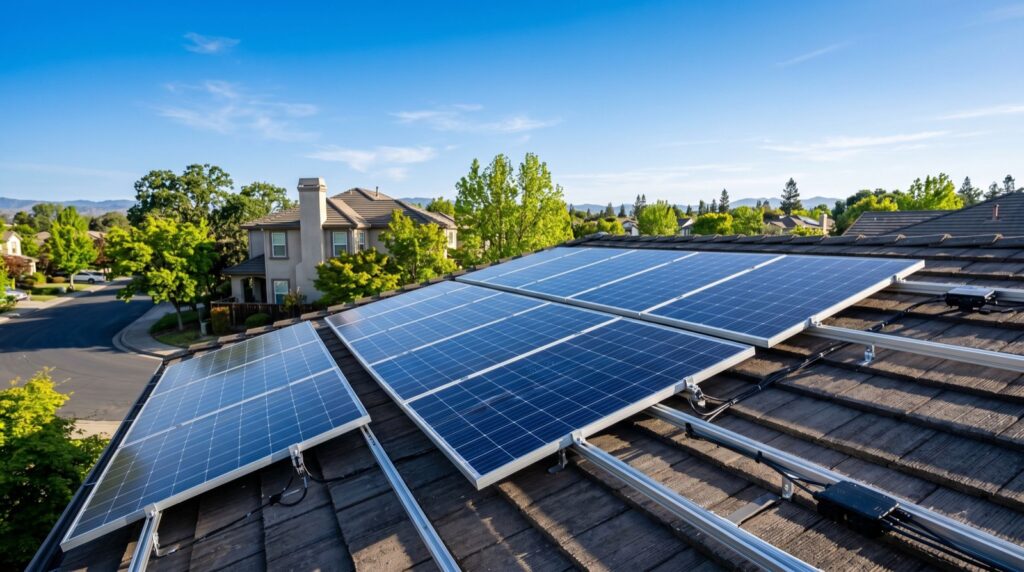
How to Buy Solar Panels in Pakistan in 2026: A Smart Homeowner’s Guide
If you plan to buy solar panels in Pakistan this year, you are joining millions of households that are tired of rising electricity bills and long hours of load-shedding. Solar is no longer a luxury. It is one of the most practical investments a Pakistani family can make, and 2026 is shaping up to be the best year yet to make the switch. This guide walks you through everything that matters, from panel quality to sizing, so you spend wisely and avoid the common mistakes that cost people money.
The good news is that panel prices have fallen sharply over the past decade while quality has improved. The challenge is that the market is now crowded with suppliers of every stripe, and knowing how to buy solar panels in Pakistan the right way is what separates a reliable system from a disappointing one.
Why 2026 Is the Right Time to Go Solar
Grid tariffs continue to climb, and the gap between what you pay the utility and what you pay for self-generated power has never been wider. Pakistan receives some of the highest solar irradiation in the world, with most regions getting more than five kilowatt-hours per square meter each day. According to the National Renewable Energy Laboratory, locations with this level of sunlight can generate strong year-round output, which means a well-designed rooftop system in Lahore, Karachi, or Islamabad pays for itself faster than in most countries.
Falling hardware costs help too. The International Energy Agency reports that solar module prices have dropped dramatically worldwide, and those savings have reached Pakistani consumers. Combined with net metering, which lets you sell surplus power back to the grid, the payback period for a residential system now often lands between three and five years.
Types of Solar Panels You Can Choose
Before you buy, understand what you are buying. Not every panel is suited to every roof or budget. The three main categories dominate the local market:
- Monocrystalline panels: The most efficient and the most popular for homes with limited roof space. They perform well in high heat, which matters in Pakistani summers.
- Polycrystalline panels: Slightly cheaper but less efficient. A reasonable choice when roof space is not a constraint.
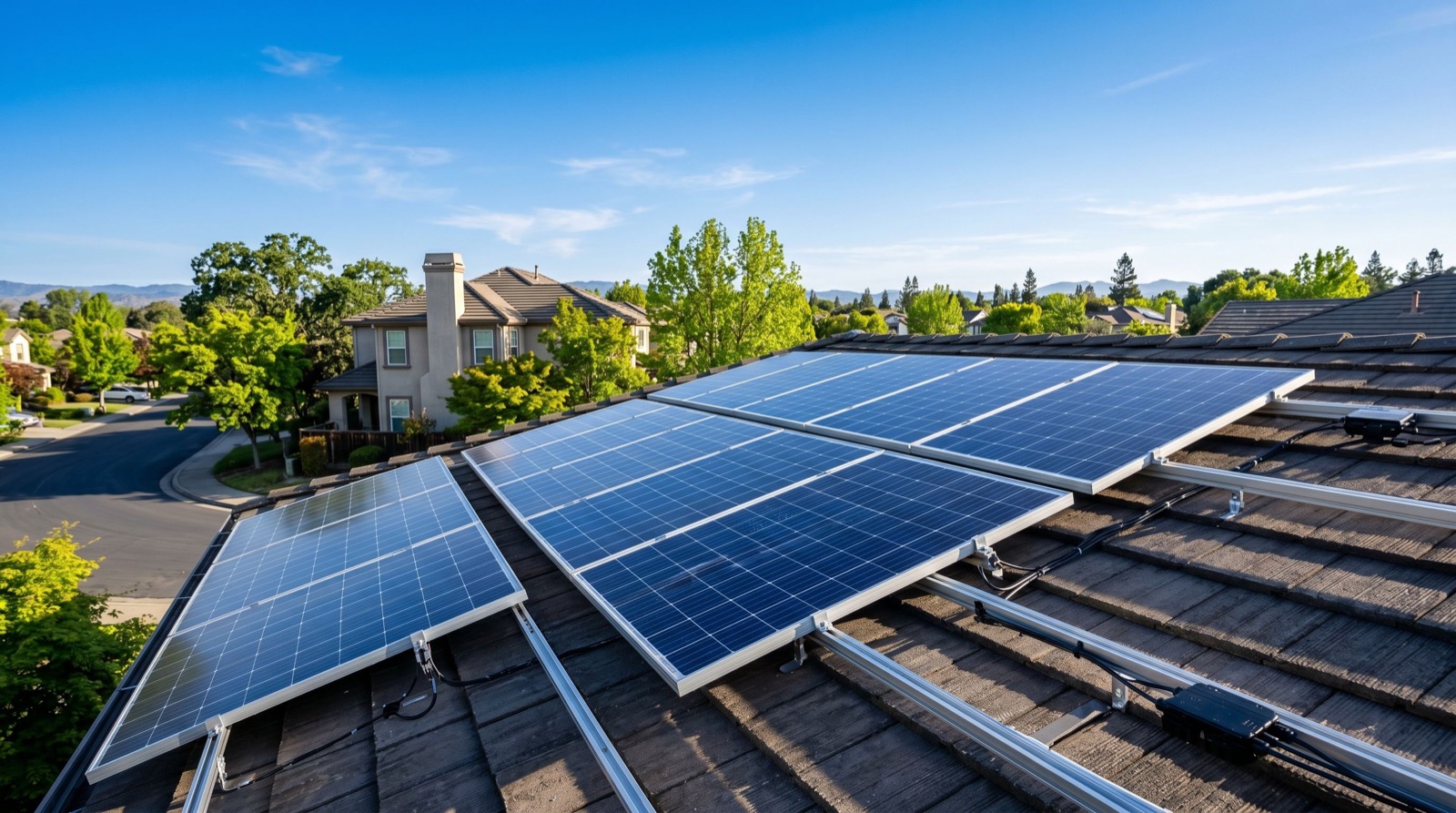
- Bifacial panels: These capture light on both sides and can boost output on reflective rooftops, making them a growing favorite for 2026 installations.
For most urban homes, high-efficiency monocrystalline modules offer the best balance of price and performance. When you are ready to compare real options, you can buy solar panels in Pakistan from a supplier that stocks tier-one brands with proper warranties rather than unbranded stock of uncertain origin.
How to Size Your System Correctly
Buying too small leaves you still dependent on the grid, while buying too large wastes money. The right size depends on your monthly consumption in units, your roof area, and whether you want battery backup. Here is a simple reference for typical Pakistani homes:
| Home Size | Recommended System | Approx. Panels | Daily Output |
|---|---|---|---|
| Small (1-2 ACs) | 5 kW | 9-10 | 20-25 units |
| Medium (3-4 ACs) | 10 kW | 18-20 | 40-50 units |
| Large (5+ ACs) | 15 kW | 27-30 | 60-75 units |
These figures are indicative. A proper site survey always refines the final number, because shading, roof tilt, and your appliance load all influence output.
What to Check Before You Pay
Smart buyers do their homework. Work through this numbered checklist before you commit to any purchase:
- Verify the panel warranty. Quality modules carry a 25 to 30 year performance warranty and a 12 to 15 year product warranty.
- Confirm the brand tier. Insist on tier-one manufacturers with a verifiable track record.
- Inspect the inverter pairing. A great panel wired to a weak inverter underperforms, so match components carefully.
- Ask about net metering support. Your installer should handle the application and documentation.
- Review the after-sales service. Panels last decades, so you want a company that will still be around to support you.
The last point matters most. Panels are a long-term relationship, not a one-time transaction. Choosing an established installer backed by trusted professionals gives you confidence that your warranty claims and maintenance will actually be honored years down the line.
Buying From a Local Specialist Versus a General Retailer
Many people are tempted by the lowest online price, but solar is not a plug-and-play product. It needs engineering, safe installation, and grid compliance. A dedicated solar provider handles the full journey: load assessment, design, supply, installation, and net metering paperwork. A general electronics retailer rarely does.
Working with a focused solar company in Lahore means you get a single point of accountability. If something goes wrong, you call one team, not three different vendors who each blame the other. For a purchase that protects your home’s energy supply for the next quarter century, that accountability is worth far more than a small upfront discount.
Common Mistakes to Avoid
Even enthusiastic first-time buyers slip up. Steer clear of these pitfalls:
- Choosing price over quality and ending up with panels that degrade quickly.
- Skipping the site survey and buying a system that does not match real consumption.
- Ignoring the inverter, which is the brain of the system.
- Forgetting to plan for future load growth such as an electric vehicle or extra air conditioning.
Frequently Asked Questions
How much does it cost to buy solar panels in Pakistan?
Pricing varies by system size, brand, and whether you add batteries. Rather than quoting a figure that changes with the market, ask your installer for a written quotation based on a proper load assessment so you know exactly what you are paying for.
Do solar panels work during load-shedding?
Yes, but only if your system includes battery backup or a hybrid inverter. A grid-tied-only system shuts down during an outage for safety. If uninterrupted power during load-shedding is your goal, plan for storage from day one.
How long do solar panels last?
Quality panels are built to last 25 to 30 years, with output slowly declining over that period. They are one of the most durable investments you can install on your home.
Is net metering worth it?
For most homes, yes. Net metering lets you export surplus daytime generation and draw it back later, effectively using the grid as a free battery and shrinking your bill further.
Final Thoughts
Going solar in 2026 is one of the smartest financial and environmental decisions a Pakistani household can make. When you decide to buy solar panels in Pakistan, focus on quality components, correct sizing, and a credible installer who stands behind the work. Do that, and you will enjoy lower bills, reliable power, and decades of clean energy. Ready to take the first step? Request a tailored quotation today and start your journey toward energy independence.